
The ZeWelcome travel magazine
Discover Guadeloupe with ZeWelcome
What to do in Guadeloupe? The most beautiful beaches, must-try experiences, local culture and events — brought to you by ZeWelcome, Guadeloupe's #1 seasonal rental agency.
Book a villa in GuadeloupeThe travel blog for an unforgettable stay in Guadeloupe
Craving white sand, tropical adventures or local insider tips? Welcome to the ZeWelcome blog, from the local rental agency that knows Guadeloupe inside out.

What to Do in Guadeloupe When It Rains? 8 Ideas to Test on the Island
Picture this: the gentle patter of rain on banana leaves, a warm cup of coffee in your hands, and a day that promises to be… different. In Guadeloupe, a tropical shower is never bad news. On the contr…
Lire l'article
Pointe des Châteaux: Guadeloupe's Dramatic Natural Masterpiece
Explore Pointe des Châteaux in Guadeloupe: hiking, dramatic cliffs, volcanic rock formations, Caribbean views, and luxury villas nearby.
Lire l'article
The Top 10 Shells in Guadeloupe
Lire l'article
The Best Water Activities to Discover in Guadeloupe
Lire l'article
Surf Trip in Guadeloupe: Best Spots and Tips for an Unforgettable Stay
Lire l'article
The Deshaies Botanical Garden: Feast your eyes!
Explore the Deshaies Botanical Garden in Guadeloupe: immerse yourself in exotic flora, fascinating fauna, and seasonal events.
Lire l'article
The Best Beach Bars in Guadeloupe: Feet in the Sand, Cocktail in Hand!
A collaborative, lively, and fun guide to discovering Guadeloupe's must-see beach bars, with anecdotes, tips, and useful links to book your villa nearby.
Lire l'article
Rum and Distilleries of Marie-Galante: A centuries-old tradition
Explore Marie-Galante's historic rum distilleries: agricultural rum production, artisanal traditions & centuries-old heritage.
Lire l'article
Festive Meals in Guadeloupe: A Gourmet Journey into Creole Traditions
Discover authentic Guadeloupe festive meals with traditional creole cuisine: Christmas ham, pigeon pea rice, creole sausage, and exotic desserts.
Lire l'article
Discover the Saint-François Market
The Saint-François market is one of the must-do experiences in Guadeloupe.
Lire l'article
Guadeloupe's culinary specialities - Top 10
Lire l'article
The 15 Best Restaurants in Sainte-Anne, Guadeloupe
Discover the 15 best restaurants in Sainte-Anne, Guadeloupe in our complete guide. From fresh seafood to authentic Creole creations, explore the unique flavors of the island and find your new favorite…
Lire l'article
Anse-Bertrand Beach: Guadeloupe's Wild Northern Escape 🌊
Discover Anse-Bertrand Beach in Guadeloupe: a stunning Atlantic-facing shoreline with vast white sand, powerful waves, perfect for surfers and nature lovers.
Lire l'article
Pearl Beach, Guadeloupe: A Postcard-Perfect Paradise (Filming Location Included!) 🎬🌴
Pearl Beach, Guadeloupe's 8th most beautiful beach in France: volcanic sand, stunning sunsets, waterfront dining, and accessible adventure.
Lire l'article
The most beautiful beaches of St-François, Guadeloupe: your complete guide, local tips & secret spots!
Discover the best beaches in Saint-François: snorkeling spots, secret beaches, local restaurants & insider tips.
Lire l'article
Deshaies: The Top Most Beautiful Beaches to Explore
Discover the stunning beaches of Deshaies, Guadeloupe. From Grande Anse to Perle Beach, explore the most beautiful seaside gems and plan your perfect island escape.
Lire l'article
Bois-Jolan Beach: A Superb Family Beach in Guadeloupe
Discover Bois-Jolan Beach near Sainte-Anne. Perfect for families with shallow, calm waters and white sand stretching for hundreds of meters.
Lire l'article
La Caravelle beach
La Caravelle beach in Sainte-Anne: turquoise water, white sand and the best spots for swimming, surfing and watersports in Guadeloupe.
Lire l'article
Route du Rhum 2026 in Guadeloupe: Where to See the Arrivals and Where to Rent a Villa
Lire l'article
IShowSpeed in Guadeloupe: the exact places he visited (and what to do there)
Lire l'article
Guadeloupe 2026 Calendar: parties and events
What are the festivals and events in Guadeloupe in 2026? Discover when to come, what to do each month and where to stay in Guadeloupe according to the highlights.
Lire l'article
Terre de Blues 2026: Why You Must Book Your Villa Now
Between rumors about dates and the difficulty of finding accommodation on the island of a hundred mills, organizing your stay can quickly become complicated. We clarify everything to help you organize…
Lire l'article
2025 Cultural Events in Marie-Galante: The Island's Must-Attend Events
Lire l'article
Experience Terre de Blues in Marie-Galante: Between Music and Caribbean Culture
Lire l'article
Parking in Guadeloupe: What You Really Need to Know Before You Arrive
Parking in Guadeloupe: free or paid? Paying zones in Bouillante, Deshaies, city centers, practical tips and tricks for your vacation.
Lire l'article
Sargassum in Guadeloupe: When and How to Avoid It to Enjoy Your Holidays
Lire l'article
How to Get Around Guadeloupe: Car, Taxi, Bus & Carpooling
Car rental, taxis, buses, carpooling or hitchhiking: all the best ways to get around Guadeloupe, with our tips and trusted partners.
Lire l'article
Water Cuts in Guadeloupe: Do You Really Need a Cistern?
Water cuts in Guadeloupe are a reality for many residents and visitors. Discover why a water tank is essential for your luxury villa and how to properly manage it.
Lire l'article
Traveling in Guadeloupe with a Baby or Child: Tips, Beaches, and Villas
Traveling in Guadeloupe with a baby or child is more straightforward than it seems. Discover practical advice, accessible beaches, and why choosing a villa truly makes your family vacation easier.
Lire l'article
Which Island to Choose: Martinique or Guadeloupe?
Hesitating between Martinique and Guadeloupe? Compare beaches, landscapes, cultural vibes, carnival celebrations, and activities to find your perfect island match. A practical guide to choose wisely.
Lire l'article
What to Do in Guadeloupe in a Week?
Here's a 7-day Guadeloupe itinerary, tested and approved—and customizable to your style: relaxation, nature, snorkeling, spiced rum… we've thought of everything.
Lire l'article
Guadeloupe or Reunion: Which Island to Choose for Your Next Vacation?
Guadeloupe or Reunion? Beaches, hikes, climate, budget... We help you choose the ideal island for your next sunny vacation.
Lire l'article
July in Guadeloupe: Sunshine, Festivities… and Great Deals!
Wondering if July is a good time to visit Guadeloupe? Great news: it's one of the best months to discover the island differently! Less touristy than winter, more festive than low season, July means tr…
Lire l'article
How to Plan a Dream Stay in Marie-Galante? The Complete ZeWelcome Guide
Lire l'articleOur travel guides, by destination
Discover Guadeloupe town by town: beaches, activities, restaurants and villas to rent for every destination.

Anse-Bertrand
Anse-Bertrand, in northern Grande-Terre, is a quiet, unspoilt commune perfect for those seeking authentic Guadeloupe. Its spectacular cliffs, Porte d'Enfer beach and rich marine life make it a must for divers and nature lovers.
Explore →
Baie-Mahault
Baie-Mahault, Guadeloupe's leading commercial city, is home to the Milenis shopping centre and the Jarry industrial zone. Well-connected and central, it is often the arrival point for business travellers or those in transit to other communes.
Explore →
Deshaies
Deshaies, nestled in a green bay in northwestern Basse-Terre, is a preserved fishing village and one of Guadeloupe's most beautiful communes. Its world-famous botanical garden, La Perle beach and waterfront restaurants make it a favourite for families and nature lovers.
Explore →
Le Gosier
Le Gosier is a lively seaside commune on the lagoon, known for its iconic islet accessible by swimming and its vibrant nightlife. Close to Pointe-à-Pitre, it offers hotels, waterfront restaurants and water sports, all with a typically Caribbean atmosphere.
Explore →
Gourbeyre
Gourbeyre, at the foot of La Soufrière, offers a unique mountainous and lush setting in Guadeloupe. Its thermal springs, the nearby Carbet waterfall and hiking trails make it an ideal base camp for nature and eco-tourism lovers.
Explore →
Goyave
Goyave, on the leeward coast of Basse-Terre, is a tranquil commune through which the Goyave river flows. Its listed mangroves, hiking trails and easy sea access make it a favourite for families and nature lovers.
Explore →
Lamentin
Lamentin, in the heart of Basse-Terre, is a lush commune bordered by mangroves and fish-rich rivers. Ideal for fishing, kayaking and ecotourism, it offers an authentic setting away from tourist crowds. A great base for exploring the entire leeward coast.
Explore →
Les Saintes
Les Saintes is an archipelago of eight islands, two of them inhabited, 15 km south of Guadeloupe. The Bay of Les Saintes is ranked among the world's most beautiful bays by many sailors. Its colourful lanes, craft shops and the tranquillity of Terre-de-Haut make it a picture-perfect destination.
Explore →
Marie-Galante
Marie-Galante, nicknamed "La Grande Galette", is a round, authentic island 30 km from mainland Guadeloupe. Its deserted beaches, agricultural rum distilleries and preserved way of life make it an ideal destination for travellers seeking calm and Caribbean authenticity.
Explore →
Le Moule
Le Moule, on the Atlantic coast of Grande-Terre, is a surfer's paradise with powerful waves and renowned spots. This historic town also has a beautiful church, a lively market and wild beaches perfect for relaxation. Ideal for watersports enthusiasts and seekers of local authenticity.
Explore →
Saint-François
Saint-François, at the eastern tip of Grande-Terre, charms with its lively marina, renowned golf course and white sand beaches. A must-visit resort, it offers a relaxed nightlife and refined local cuisine. It is the ideal base for exploring the neighbouring islands of La Désirade and Petite-Terre.
Explore →
Sainte-Anne
Sainte-Anne is famous for its turquoise waters and white sand beaches among the most beautiful in Guadeloupe. Its colourful village, grilled fish restaurants and local atmosphere make it a must-stop. La Caravelle beach, belonging to Club Med, is one of the most photographed on the island.
Explore →Who we are
ZeWelcome is a seasonal rental agency based in Guadeloupe for over 10 years. We know every villa, every destination, every hidden gem. Our mission: to help you experience Guadeloupe like a local.
Every property is visited and hand-picked by our on-the-ground team. Owners and travellers alike trust us — and we're proud of that double satisfaction.
I'm a property owner →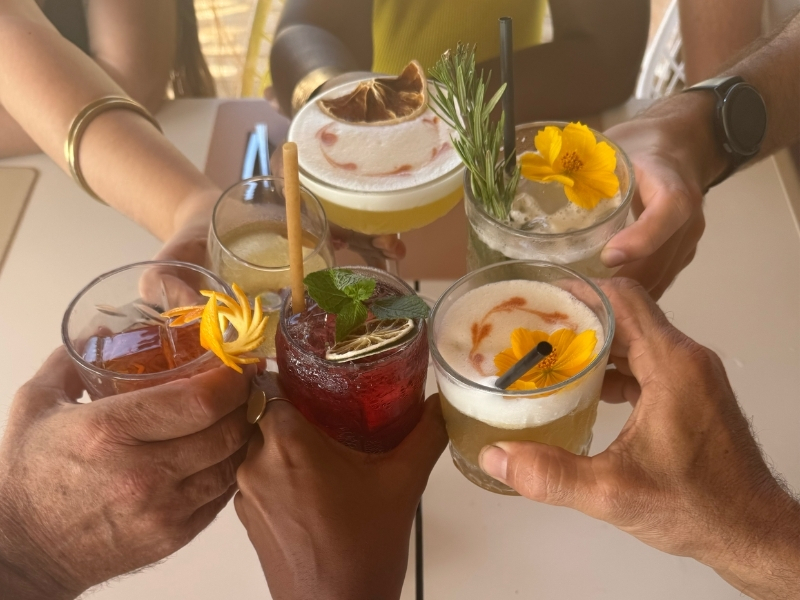
Good deals in Guadeloupe
Everything you need to plan, enjoy and extend your stay in Guadeloupe.
Plan your trip
Practical tips, must-sees and inspiration to help you plan your stay in Guadeloupe.
Discover →Get the newsletter
Good deals, new listings and travel ideas straight to your inbox.
Subscribe →Guadeloupe good deals
Our local partners, recommended addresses and exclusive perks for ZeWelcome travellers.
Explore →